If you’ve ever read a student draft that felt choppy or repetitive, you know how valuable it is to teach students how to combine sentences. One powerful tool for that is the appositive phrase! But before your students can write above-average sentences using appositive words correctly, they need lots of practice — that’s where a well-designed lesson–complete with slideshow, appositive worksheet, handouts, and more–comes in.
In this post, I’ll share how I structure my detailed, teacher-led lesson on appositives and why appositives worksheets are so helpful for building strong writing skills in middle school, high school, or even adult education classes.
Just looking for a ready-to-go Appositives Lesson? This complete Appositive Lesson includes mini-lessons, worksheets, student handout, exit tickets, and more!

What Is an Appositive Phrase, Anyway?
Let’s start with the basics: an appositive is a noun phrase that renames or gives additional information about a noun right beside it.

For example:
- Maya Patel, a talented musician, performed at the city concert.
- My friend the chef is opening a new restaurant next month.
The words “a talented musician” and “the chef” are appositive phrases that add extra information without changing the main idea of the sentence.
Students can practice identifying these phrases on an appositive phrases worksheet or a quick appositives anchor chart to keep by their side.
Restrictive vs. Nonrestrictive Appositives
One concept you’ll want to cover in your appositive lesson or appositive worksheet is restrictive vs. nonrestrictive appositives.
Nonrestrictive appositives add extra details but aren’t essential to the meaning–so they’re set off with commas.
Look back at the examples in the previous section. In the first example, the phrase “a talented musician” is nonrestrictive — if you removed it, the rest of the sentence still makes sense.
However, in the second example, the appositive “the chef” is restrictive. If you removed this phrase, the reader wouldn’t know to which friend the writer was referring.
So, nonrestrictive appositives are optional, while restrictive appositives are necessary.
What Students Need to Know Before Learning About Appositives
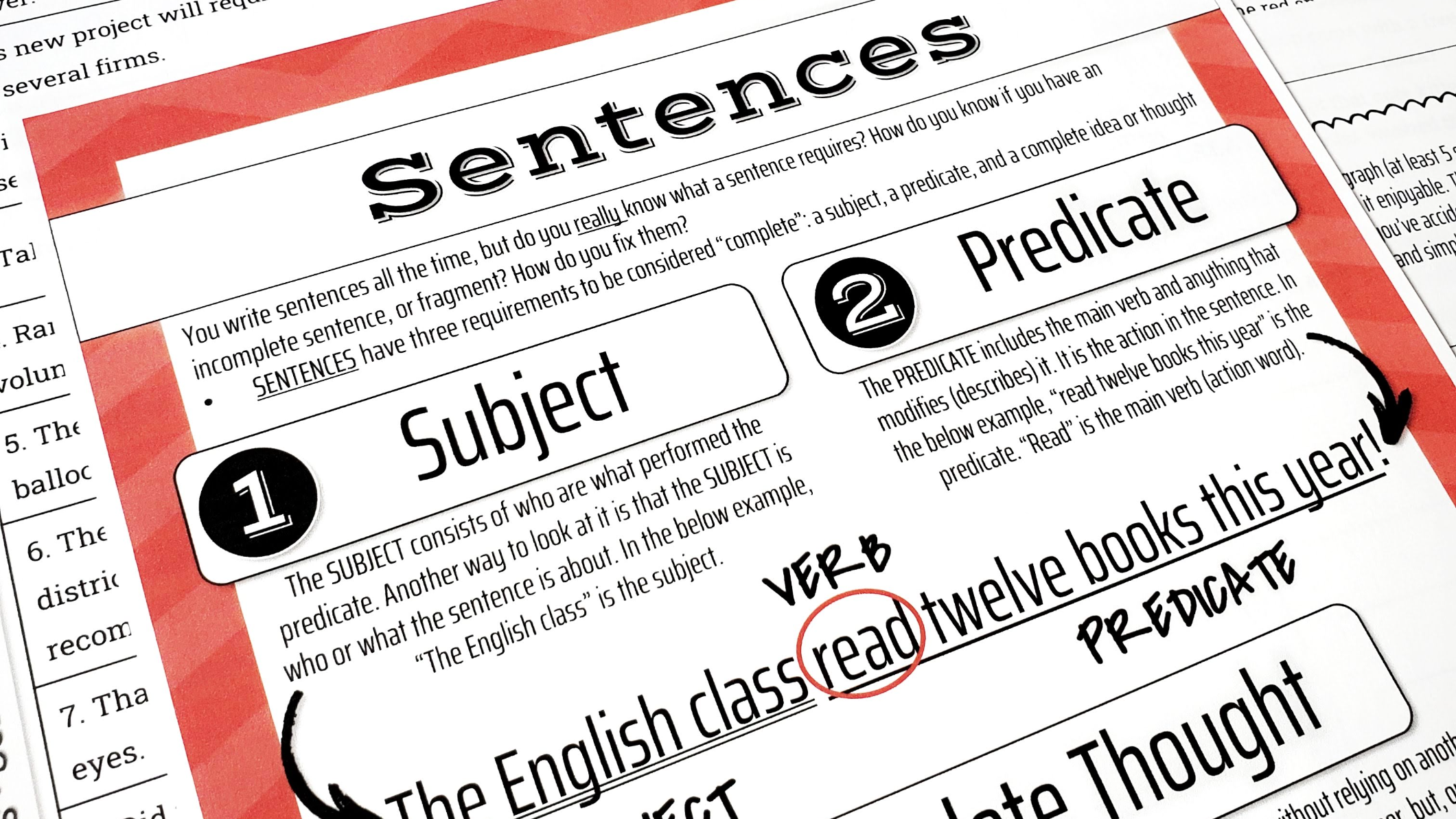
I consider appositives a more advanced grammar lesson.
Before teaching students about appositives, I recommend making sure they have a solid grasp on the following concepts first:
How I Use Appositives Worksheets in My Classroom
When I teach appositives in high school, I use a detailed, classroom-tested lesson with multiple scaffolds. Here’s what it looks like:
- Start with pre-thinking: Before they tackle an appositive worksheet, students review sentence structure, noun phrases, and basic comma rules.
- Use a slideshow: I guide students through an appositive phrases mini-lesson, explaining concepts like restrictive and nonrestrictive word use, and how appositives function within the rest of the sentence.
- Practice at stopping points: After each concept, students use a targeted appositive worksheet to practice. Activities build from easy to challenging, helping them go from identifying examples of appositives to writing creative sentences of their own.
- Exit tickets and assessment: I use short exit tickets to check understanding — a simple, quick 20-minute lesson can really stick when reinforced with consistent practice.
I love how students start to notice appositives everywhere — from a TV news magazine program to subtitles in a short film. This builds awareness of how grammar concepts work in real-world writing.

Creative Ideas for Appositive Worksheets
Looking for inspiration? Try these ideas for your next appositive worksheet:
- Identify the appositive phrases in short sentences (you can choose a theme like native Americans, social studies, graphic arts, or tie it to your current unit!)
- Combine sentences to practice adding additional details using appositives.
- Rewrite sentences from well-known sources and ask students to insert appositives for additional information.
- Have students create new sentences that include appositives–both restrictive and nonrestrictive
- Have students create their own appositives anchor chart with examples and punctuation rules.
If you need more appositive worksheets or don’t want to create your own appositive worksheet, check out my Appositive Lesson. It includes 7 appositive worksheets that scaffold and build upon one another!
Helpful Tips for Teaching the Use of Appositives
- Be clear about punctuation rules. Many students confuse appositives with relative clauses — so model lots of examples!
- Encourage students to check their work. They can use tools like a grammar check, or work with a partner to see if the rest of the sentence makes sense without the appositive.
- Keep everything organized in PDF format or an activity sheet that’s easy for students to reference later.
- You may want to plan for a quick assessment (like this fast multiple-choice Appositives Quiz) for the end of your appositive lesson

Where to Find Great Appositive Worksheets
When choosing or designing an appositive worksheet, make sure it’s clear, scaffolded, and gives plenty of opportunities for students to try writing their own sentences. Whether you’re prepping for STAAR review, test prep, or just building general writing skills, your students will benefit from this important skill.
Want a done-for-you option? My own comprehensive lesson includes an appositive phrase worksheet, slideshow, student handout, and exit tickets — all designed to build confidence with appositives. You can adapt it for middle school, high school, or even adult education writing classes!
Final Thoughts
Good writing often comes down to adding just the right additional information in the right place — and appositives are a fun, flexible way to do just that. Try adding an appositive worksheet to your next grammar unit and watch your students combine sentences, expand ideas, and build stronger paragraphs.
Want to help your students master appositives but don’t have time to reinvent the wheel? Get my done-for-you Appositive Lesson–with lesson, seven worksheets, exit tickets, student handout, and more–right here!